Why Yoga Teacher Training in Bali?

Why Yoga Teacher Training in Bali?

Yoga
Quick Answer: Why Choose Yoga Teacher Training in Bali? Bali combines serene tropical nature, rich spiritual heritage, and internationally accredited Yoga Alliance RYS 200 schools at accessible all-inclusive tuition. At Bali Yogpeeth in Klungkung (near Ubud), residential courses run monthly from $999 USD (100-Hour, 11 days) and $1,774 USD (200-Hour RYT 200, 21 days) up to $2,424 USD (300-Hour) and $4,199 USD (500-Hour)—including AC villa rooms, 3 daily vegetarian meals, excursions, and airport pickup. Yoga teacher training in Bali is a transformative immersion that goes far beyond memorizing postures. Bali’s peaceful environment, devotional rhythm, and natural greenery create space for deep self-inquiry, disciplined study, and lasting personal renewal—allowing you not merely to study yoga, but to live it every day.The Magic of Yoga Training in BaliMornings begin naturally with birdsong,…
Read More
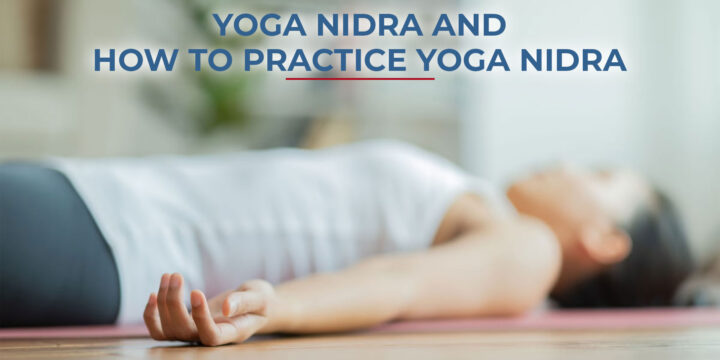
Yoga Nidra and How to Practice Yoga Nidra

Yoga Nidra and How to Practice Yoga Nidra

Yoga
Quick Answer: What Is Yoga Nidra & How Do You Practice It? Yoga Nidra (“yogic sleep”) is a guided meditative practice done lying comfortably in Shavasana that brings the body into deep rest while keeping awareness awake. A standard session moves through settling the body, setting a Sankalpa (intention), a systematic body scan, breath awareness, visualization, and gentle return in 10 to 30 minutes. Yoga Nidra—often called “yogic sleep”—has been cherished for centuries as a method of profound conscious relaxation. Far more than simply lying down with closed eyes, Yoga Nidra guides the nervous system into deep restoration while keeping a clear thread of inner awareness.What Is Yoga Nidra?In Sanskrit, Nidra means “sleep,” yet Yoga Nidra describes the serene threshold state between waking consciousness and deep sleep. Unlike ordinary unconscious…
Read More
Health Benefits of Handstands – How to do a handstand

Health Benefits of Handstands – How to do a handstand

Yoga
Quick Answer: How Do Handstands Benefit Health & How Should Beginners Start? Handstand (Adho Mukha Vrksasana) strengthens the shoulders, wrists, arms, and core while improving spatial awareness, balance, and focused breathing. Beginners should warm up wrists thoroughly, build shoulder stability through Plank and Dolphin Pose, and practice L-shape or wall-supported handstands for 10–30 seconds at a time. The health benefits of handstands extend well beyond impressive strength—turning upside down trains mental poise, concentration, and mindful body awareness. Known in yoga as Adho Mukha Vrksasana (Downward-Facing Tree Pose), handstand may look intimidating at first, yet breaking it into progressive wall drills makes it safe and rewarding for dedicated learners.What Is a Handstand in Yoga?In yoga, Adho Mukha Vrksasana is an inversion and arm balance where the hands root firmly into the…
Read More
Ashtanga Yoga Primary Series and Benefits

Ashtanga Yoga Primary Series and Benefits

Yoga
Quick Answer: What Is the Ashtanga Yoga Primary Series? The Ashtanga Yoga Primary Series (Yoga Chikitsa, meaning “yoga therapy”) is a structured, breath-synchronized sequence of Sun Salutations A & B, standing postures, seated forward folds and twists, and finishing inversions linked with Ujjayi breathing, Bandhas, and Drishti (gaze points) to build strength, flexibility, and mental steadiness. Ashtanga Yoga Primary Series is far more than a physical workout; it is a disciplined journey into inner awareness. Known in Sanskrit as Yoga Chikitsa (“yoga therapy”), this foundational sequence realigns the spine, builds core stamina, and cultivates steady concentration through synchronized breath and movement.What Is the Ashtanga Yoga Primary Series?The Primary Series is the first of six traditional sequences in the Ashtanga Vinyasa system popularized by Sri K. Pattabhi Jois. It follows a…
Read More
Natural Body Cleansing – Shank Prakshalana

Natural Body Cleansing – Shank Prakshalana

Yoga
Quick Answer: What Is Shankh Prakshalana? Shankh Prakshalana is a traditional Hatha Yoga Shatkarma (cleansing kriya) that gently flushes the digestive tract using warm lightly salted water paired with five specific yoga postures (Tadasana, Tiryaka Tadasana, Kati Chakrasana, Tiryaka Bhujangasana, Udarakarshan). Beginners should practice the shorter Laghu version only under qualified teacher supervision. Natural body cleansing in yoga refers to classical techniques designed to purify the internal organs and restore digestive clarity. One of the most thorough traditional methods is Shankh Prakshalana. Unlike commercial detox fads, Shankh Prakshalana uses warm saline water and targeted movement rather than chemical supplements—and when practiced properly with qualified guidance, it complements yogic lifestyle and 200 Hour Yoga and Ayurveda Course in Bali studies.Understanding Shankh PrakshalanaDescribed in classical Hatha Yoga texts, the Sanskrit word Shankha…
Read More
Breathwork (Pranayama) as a Standalone Practice

Breathwork (Pranayama) as a Standalone Practice

Yoga
Quick Answer: Can You Practice Pranayama Without Asana? Yes. Pranayama (yogic breathwork) is a complete standalone practice—traditionally the fourth limb of Patanjali’s Ashtanga Yoga—that calms the nervous system, improves lung efficiency, and sharpens mental focus in just 10 minutes a day with no yoga mat or props required. Breathwork (Pranayama) as a Standalone Practice is one of the most accessible and transformative tools in yoga. Conscious breathing connects body, mind, and awareness—slowing stress reactivity, steadying emotions, and restoring inner calm even without physical postures. Whether you are starting a home yoga routine or studying pranayama in depth during a 200 Hour Yoga Teacher Training Course in Bali, breathwork serves as a dependable daily anchor.Understanding Pranayama: The Science of Yogic BreathIn yoga philosophy, breath is more than oxygen exchange; Pranayama guides…
Read More
Your Complete Guide to Become a Yoga Teacher

Your Complete Guide to Become a Yoga Teacher

Yoga
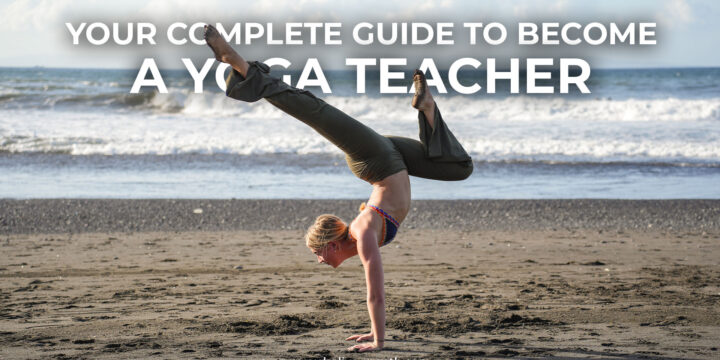
Quick Answer: How to Become a Certified Yoga Teacher To become an internationally recognized yoga teacher, complete a 200-Hour Yoga Teacher Training Course (RYT 200) at a Yoga Alliance Registered Yoga School (RYS 200). At Bali Yogpeeth in Klungkung, Bali, the 21-day residential 200-Hour program starts from $1,774 USD (shared room), with 100-Hour ($999 USD), 300-Hour ($2,424 USD), and 500-Hour ($4,199 USD) pathways available. Have you ever felt a call deep inside to continue developing your yoga practice so you can share it meaningfully with others? Becoming a certified yoga teacher is a milestone that deepens your discipline, clarity, and purpose. Training at a serene Yoga School in Bali allows you to step away from daily distractions and immerse yourself completely in traditional yogic study.Where Do You Begin Before Enrolling?This…
Read More
Your Guide to Holistic Wellness – Yin Yoga

Your Guide to Holistic Wellness – Yin Yoga

Yoga
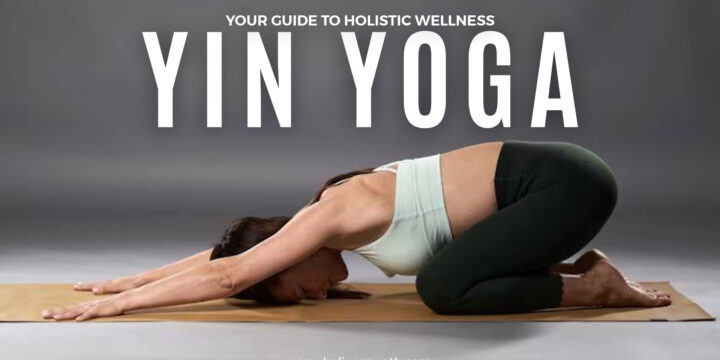
Quick Answer: What Is Yin Yoga & Why Practice It? Yin Yoga is a slow, meditative style of yoga in which floor-based postures are held passively for 3 to 5 minutes to gently nourish deep connective tissues (fascia, ligaments, and joints), calm the nervous system, and balance an active “yang” lifestyle. Would you define yourself as an active, always-on-the-go person? Do you prefer to stay engaged in one task after another instead of slowing down? If taking a quiet break feels unfamiliar, Yin Yoga offers an essential counterbalance for holistic wellness.What Is Yin Yoga?Yin yoga is a passive style of yoga featuring long-held stretches that deliver physical, mental, and emotional benefits. Rooted in Taoist philosophy and Traditional Chinese Medicine—and popularized in the late 20th century by Paul Grilley and Sarah…
Read More
Couple Yoga Magic

Couple Yoga Magic

Yoga
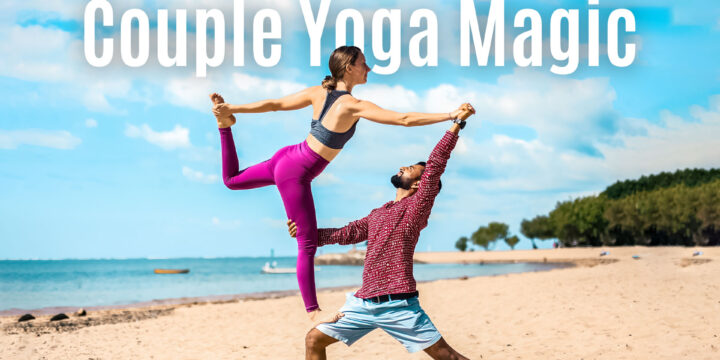
Quick Answer: What Is Couple Yoga? Couple yoga (partner yoga) is a shared yogic practice where two people support each other through postures, synchronized breathing, and mindful alignment. Practicing poses such as Partner Tree Pose, Seated Twist, and Double Child’s Pose builds trust, physical balance, and emotional connection. From Heart-Opening Poses to Heartfelt ConnectionsIn the world of couples yoga, a magical journey unfolds—a journey from heart-opening poses on the mat to heartfelt connections that transcend the physical realm. This transformative practice goes beyond the traditional boundaries of exercise, evolving into a dance of unity where partners not only move together but also breathe, trust, and communicate on a profound level. From cultivating trust in partner poses to opening the heart chakra in shared breath, couples yoga becomes a sacred space…
Read More